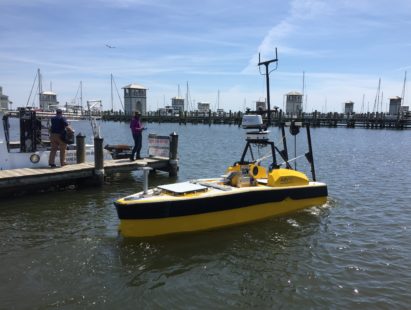
Expanding Dead Zone Monitoring
A public-private partnership is working to speed up the transition of a new unmanned monitoring and reporting system to track hypoxia in the northern Gulf […]


A public-private partnership is working to speed up the transition of a new unmanned monitoring and reporting system to track hypoxia in the northern Gulf […]
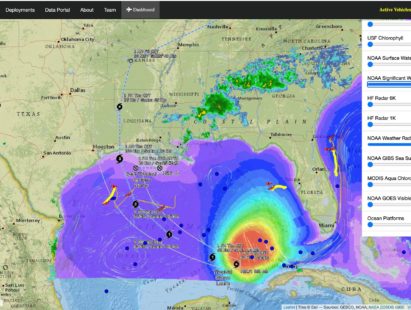
Making hurricane predictions is all about having data — and being able to access accurate information quickly and easily. For the third year in a […]
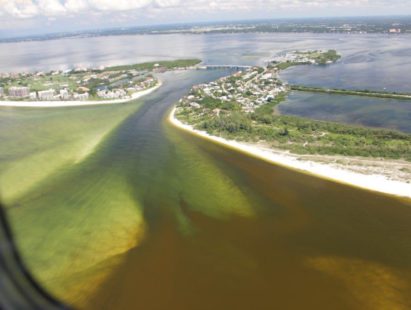
We’re pleased to be working with Florida Sea Grant on a new project to bridge the knowledge gap about toxic red tides caused by Karenia […]
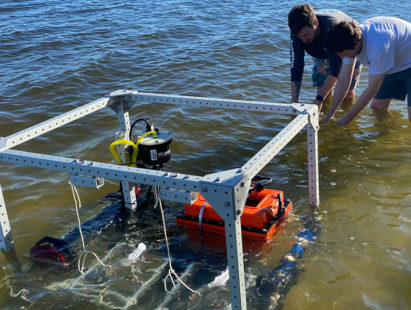
We’re proud to be partnering with FAU Harbor Branch Oceanographic Institute on a new project monitoring toxic algae in Lake Okeechobee. GCOOS will develop a […]
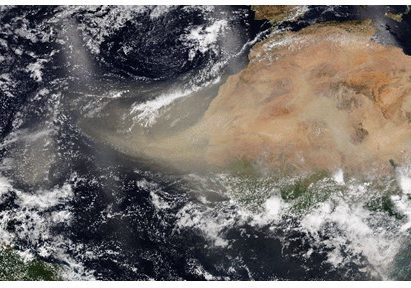
Annually, billions of tons of desert dust move through the atmosphere. The Sahara and Sahel areas of North Africa and the Gobi and Takla Makan […]
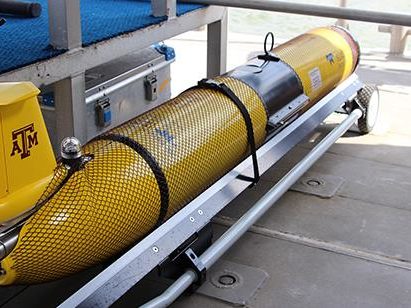
The University of Southern Mississippi will be conducting two-tiered UxS certificate classes this summer and fall that will give working knowledge of everything from ocean […]
GCOOS is pleased to announce the winners of our recent Board of Directors election. The Board sets organization policy and direction for the executive director, […]
Are you with an organization engaged in some aspect of ocean observing? Do you use data, products or services from observing system elements in the […]