

NOAA’s Ocean Acidification Program (OAP) has launched East Coast and West Coast research missions at sea to track how changing ocean chemistry is affecting marine life. OAP’s East Coast (ECOA-4) and West Coast (WCOA 2026) Ocean Acidification research cruises will collect high-quality information to serve as vital benchmarks for research, monitoring, and modeling in each region. The data will couple ocean chemistry, biology, and physics so researchers may better understand how ocean acidification impacts marine life. Such coastwide cruises take place every four years or so. This year’s cruises are particularly focused on tracking potential El Niño effects.
The fourth East Coast Ocean Acidification Cruise (ECOA-4) is conducting a 50-day survey from Florida to Canadian waters, while the West Coast Ocean Acidification Cruise (WCOA) 2026 is sampling the West Coast from California to Washington. The Gulf Coastal Acidification Network (GCAN) will contribute to the WCOA 2026 expedition through the participation of researchers from the University of South Florida Marine Carbonate Chemistry Laboratory, led by GCAN member and Distinguished University Professor Dr. Robert Byrne.
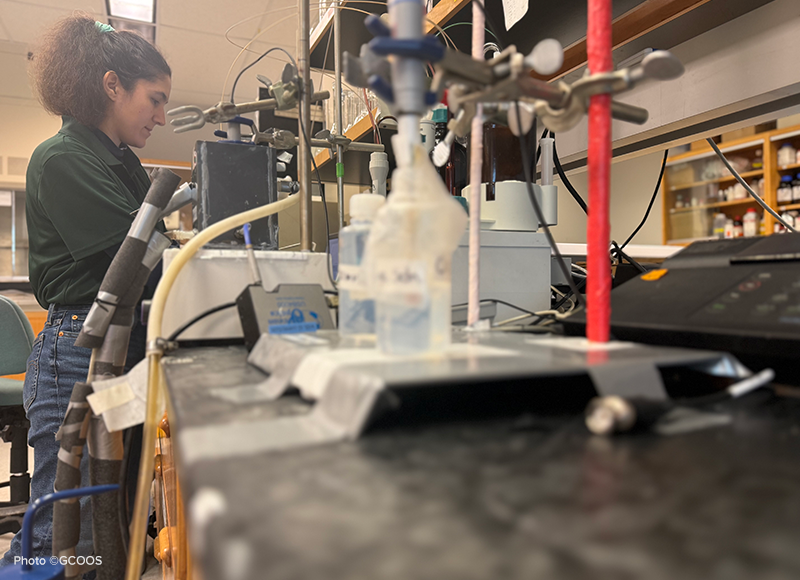
GCAN is also proud to highlight the participation of Florida GCAN Fellow Macarena Martín 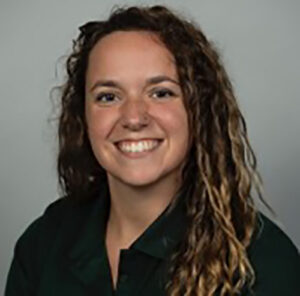 Mayor, who will support ocean carbonate chemistry measurements during the expedition. Her involvement brings GCAN representation to this coastwide research effort and creates an important opportunity for knowledge exchange between the Gulf and West Coast ocean acidification communities.
Although these cruises focus on the Atlantic and Pacific coasts, they reinforce the importance of maintaining comparable observations in the Gulf region. The Gulf and Ocean Monitoring of Ecosystems and Carbon Cruise (GOMECC), serves this role by repeatedly surveying the carbon system of the Gulf and documenting natural and human-driven changes in ocean chemistry.For GCAN, these coastwide efforts demonstrate the value of sustained observations, regional research partnerships, workforce development, and communication across coastal acidification networks. GCAN helps connect Gulf scientists, resource managers, educators, industry representatives, and coastal communities so that information collected through programs such as GOMECC can inform research priorities, management decisions, and strategies supporting resilient Gulf ecosystems and economies.