

GCAN Fellows with GCAN Steering Committee Chair Dr. Xinping Hu (pictured on the right)
GCAN is proud to celebrate the first cohort of GCAN Fellows: five graduate students representing Gulf-region ocean and coastal acidification (OA/COA) research. With support from GCAN and the NOAA Ocean Acidification Program, these fellows attended the 2026 NOAA Ocean Acidification Program Community Meeting, where they presented their research, engaged with OA/COA scientists and practitioners and expanded their professional networks across the broader acidification community.
The GCAN Fellowship was created to support the next generation of OA/COA leaders in the Gulf by connecting early-career researchers with opportunities for professional development, science communication, and regional collaboration. Fellows presented projects related to Gulf OA/COA science and participated in networking opportunities designed to strengthen connections among students, researchers, managers and members of regional Coastal Acidification Networks. As part of the GCAN network, fellows are now invited to continue engaging through GCAN meetings, activities and other member opportunities.
“It was a privilege to represent my lab and Texas at the recent meeting and connect with NOAA OAP and regional CAN members. As a second-year Ph.D. student, it can be intimidating to step into these rooms, but having the chance to share my research and receive real-time feedback from experts was an incredible learning experience. Seeing the resilience and genuine optimism within the OA/COA research community was inspiring and a great reminder of why this work matters. Huge thanks to the coordinators for making it possible to bring us all together!”
— GCAN Fellow Lauren Bomer, The University of Texas at Austin


“Attending the OAP meeting gave me the opportunity to meet OA scientists from NOAA and academic institutions, and I learned so much from those conversations. It was inspiring to be part of discussions about the future of OA and to be reminded of the importance of our research. The science communication workshop was also helpful, especially hearing different approaches for sharing OA science with diverse audiences. This fellowship helped me connect in person with other students studying the effects of OA on plankton communities, including colleagues I had hoped to work with during the postponed GOMECC-5 cruise. This experience was incredibly valuable, and I sincerely hope the fellowship continues so other students can benefit from similar opportunities.”
— Emily Mulcahy, University of Louisiana at Lafayette
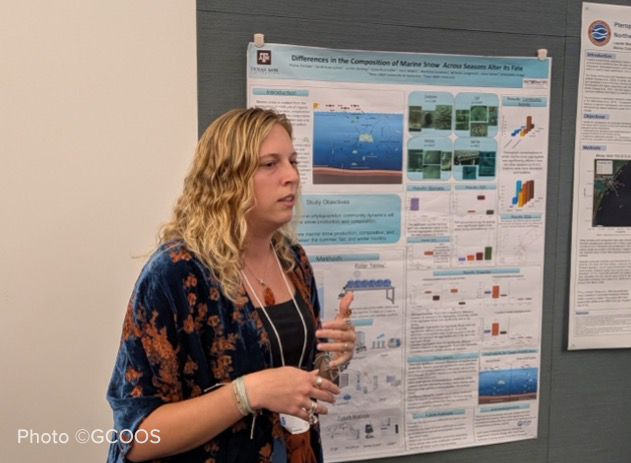
GCAN Fellow Alyssa Antolak, Texas A&M University

GCAN Fellow Hafez Ahmad, Mississippi State University
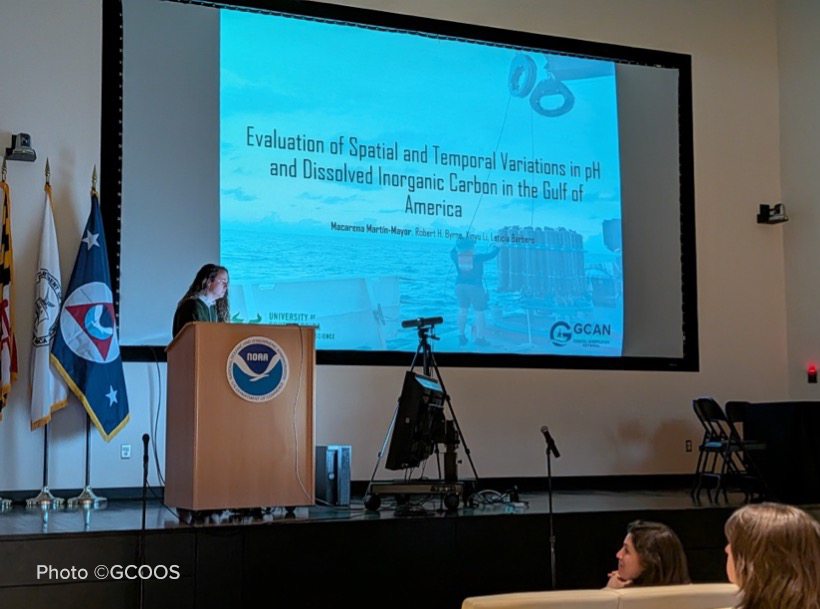
GCAN Fellow Macarena Martín Mayor, University of South Florida